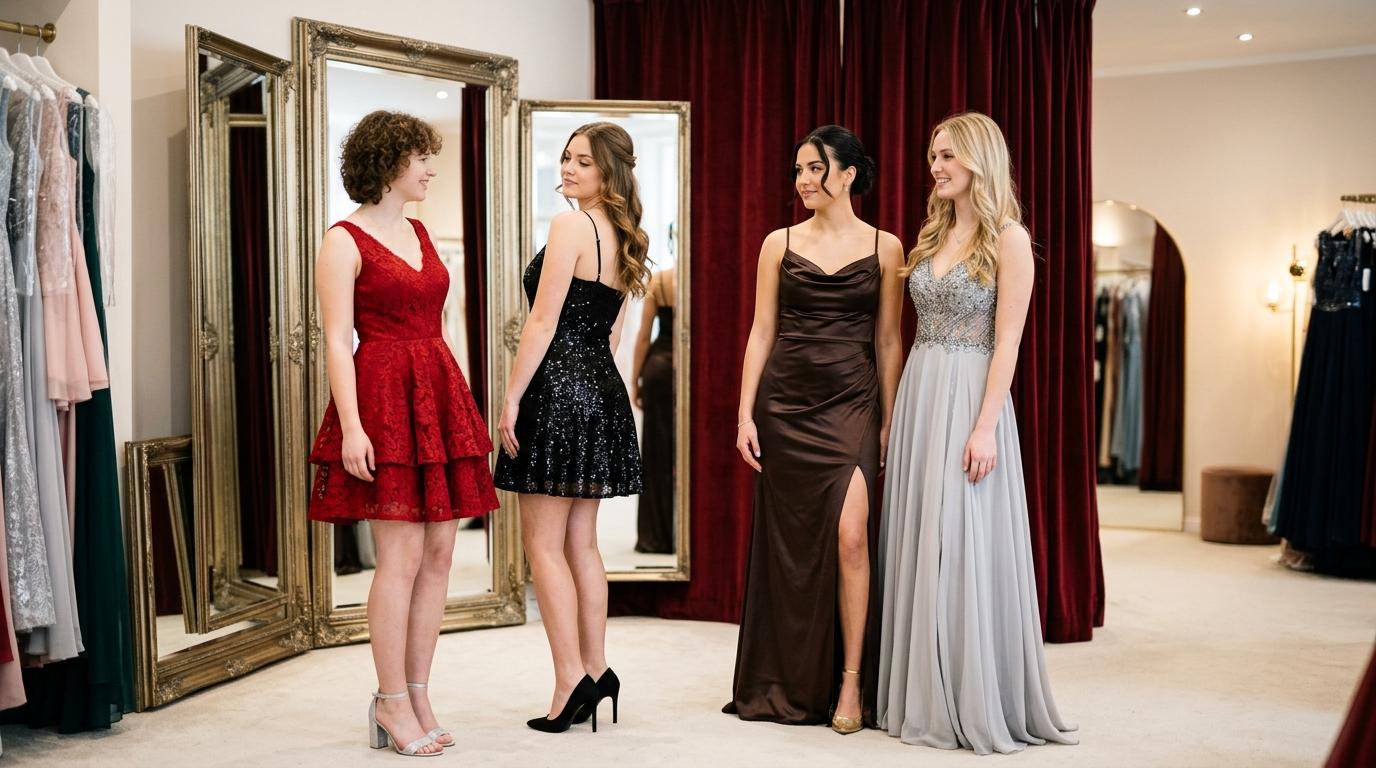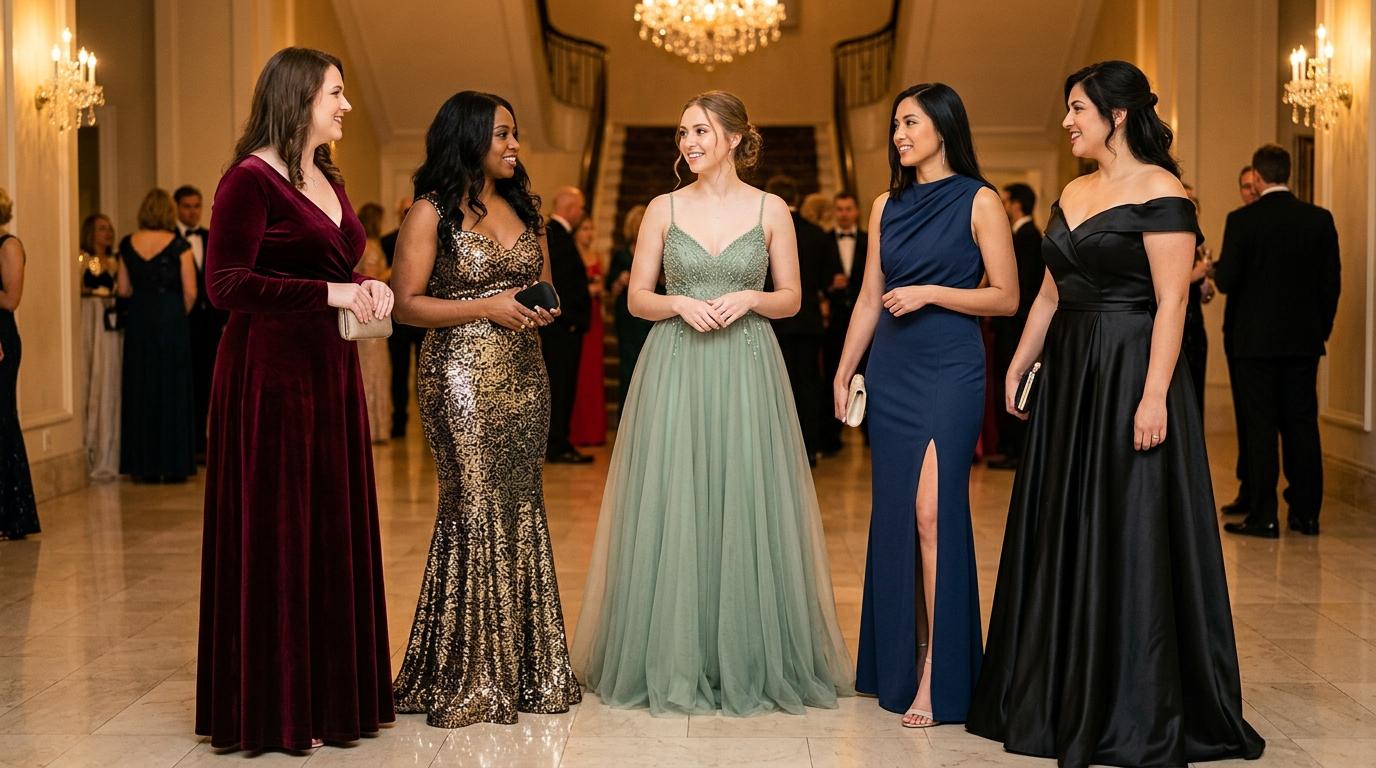
Different Types of Evening Dresses
Different Types of Evening Dresses
Choosing the right dress for an evening event can be difficult when there are so many silhouettes, lengths, fabrics, and necklines to consider. The best evening dresses are not simply beautiful, they should also suit the event, dress code, body shape, personal style, and level of formality.
The main types of evening dresses include A-line, mermaid, trumpet, ball gown, sheath, column, empire waist, off-the-shoulder, one-shoulder, and wrap styles. Floor-length gowns are especially common for formal and black-tie occasions, while sophisticated midi and shorter styles can work for less formal evening events. The right choice depends on the occasion and how much structure, movement, and coverage you prefer.
Understanding the differences between these styles makes shopping easier and helps you choose a dress that looks polished and feels comfortable throughout the event.
What Are Evening Dresses?
Evening dresses are garments designed for formal or dressy social occasions, usually held later in the day or at night. They can range from elegant midi dresses to full-length formal gowns, depending on the event's dress code.
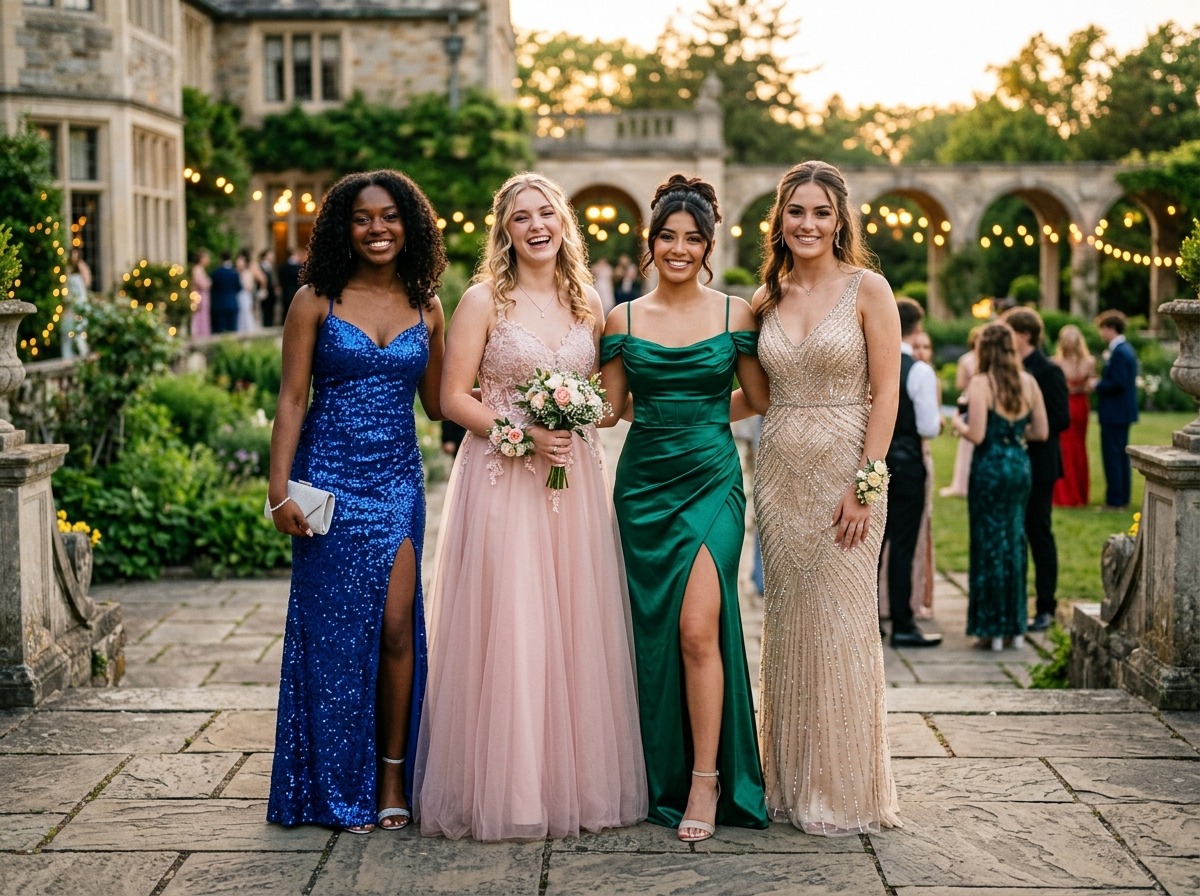
Common occasions for wearing an evening dress include weddings and wedding receptions, galas, formal dinners, award ceremonies, holiday parties, engagement celebrations, cocktail parties, prom, and other special events.
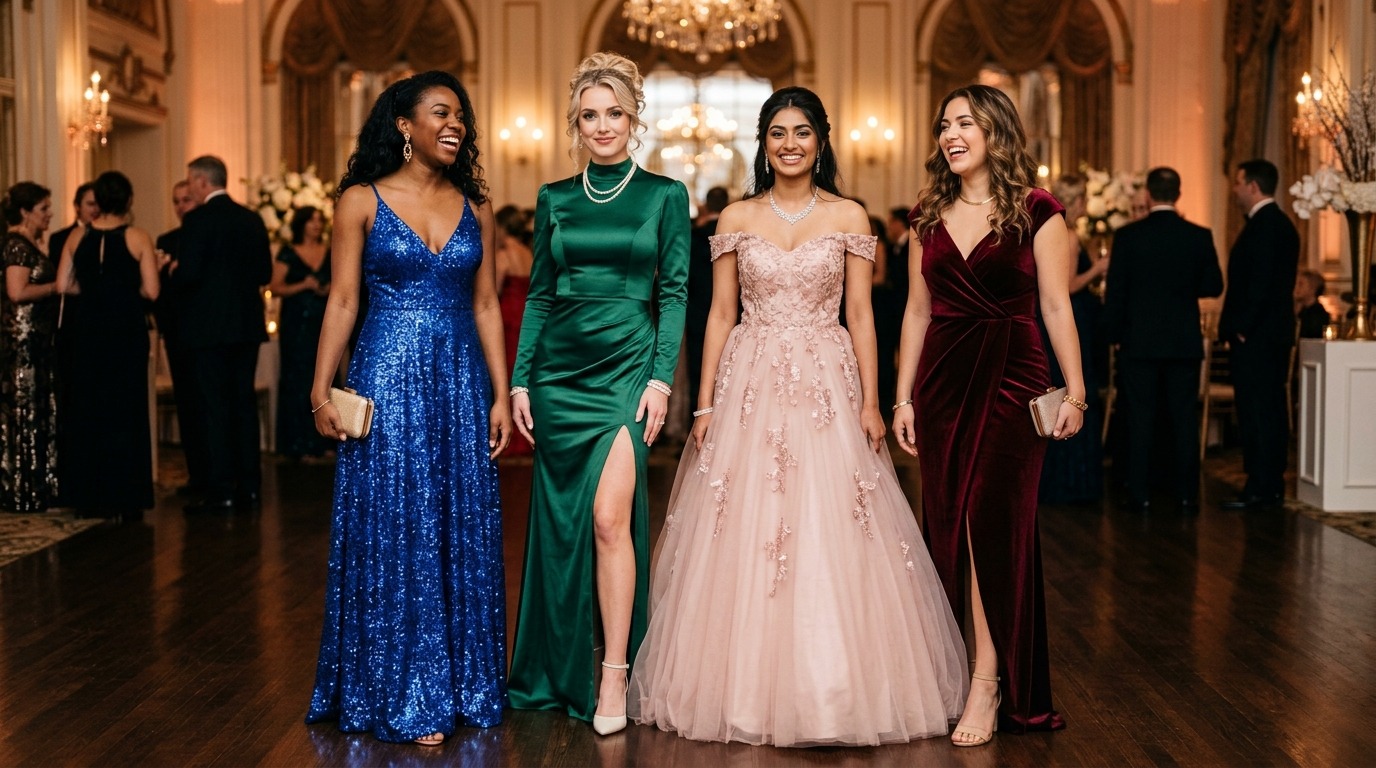
The term "evening dress" covers a broad range of designs. A sleek satin midi can be appropriate for a sophisticated dinner, while a floor-length embellished gown may be better suited to a black-tie gala.
The most important thing is to match the dress with the formality of the occasion rather than choosing a style based only on current trends.
10 Different Types of Evening Dresses
There is no single silhouette that defines an evening dress. Different cuts create different effects, from dramatic and glamorous to simple and refined.
1. A-Line Evening Dresses
A-line dresses are among the most versatile styles. They are fitted around the bodice and gradually widen from the waist toward the hem, creating an "A" shape.
This silhouette works well for many body types because it defines the waist without closely fitting the hips and thighs. It also provides comfortable movement, making it practical for weddings, formal dinners, and other events where you may be standing or dancing for several hours.
An A-line evening gown can look completely different depending on its fabric and details. Satin creates a smooth, sophisticated appearance, while chiffon gives the dress a lighter and softer look. Beading, sequins, lace, and embellishments can make the same basic silhouette much more glamorous.
2. Mermaid Evening Dresses
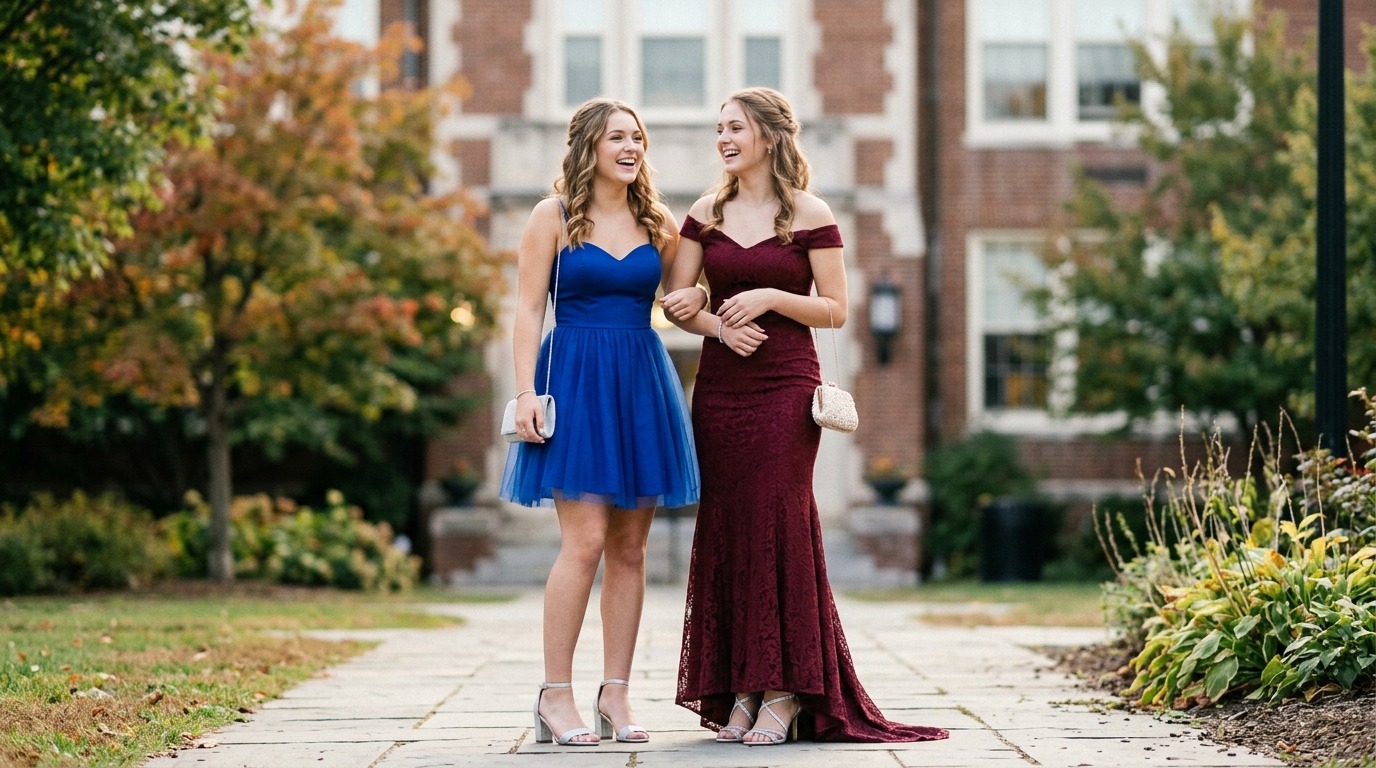
Mermaid dresses create a dramatic, fitted silhouette. They usually follow the body closely through the bodice, waist, and hips before flaring out around the knees or lower legs.
This design emphasizes the body's natural curves and creates a striking red-carpet-inspired appearance.
Mermaid evening gowns are particularly popular for formal celebrations, galas, weddings, and other occasions where a glamorous look is appropriate. Because the skirt becomes wider toward the bottom, however, they may provide less freedom of movement than an A-line gown.
When choosing a mermaid dress, pay attention to the placement of the flare. A well-designed fit should allow you to walk comfortably without constantly adjusting the skirt.
3. Trumpet Evening Dresses
Trumpet dresses are similar to mermaid gowns but have a slightly different shape. A trumpet silhouette generally fits through the bodice and hips before gradually flaring out around the mid-thigh.
The difference may seem small, but it changes the overall appearance and movement of the dress.
Trumpet gowns can provide the fitted look of a mermaid style while offering somewhat more room around the lower skirt. They are a strong option when you want a sophisticated, figure-defining silhouette without an extremely dramatic flare.
4. Ball Gown Evening Dresses
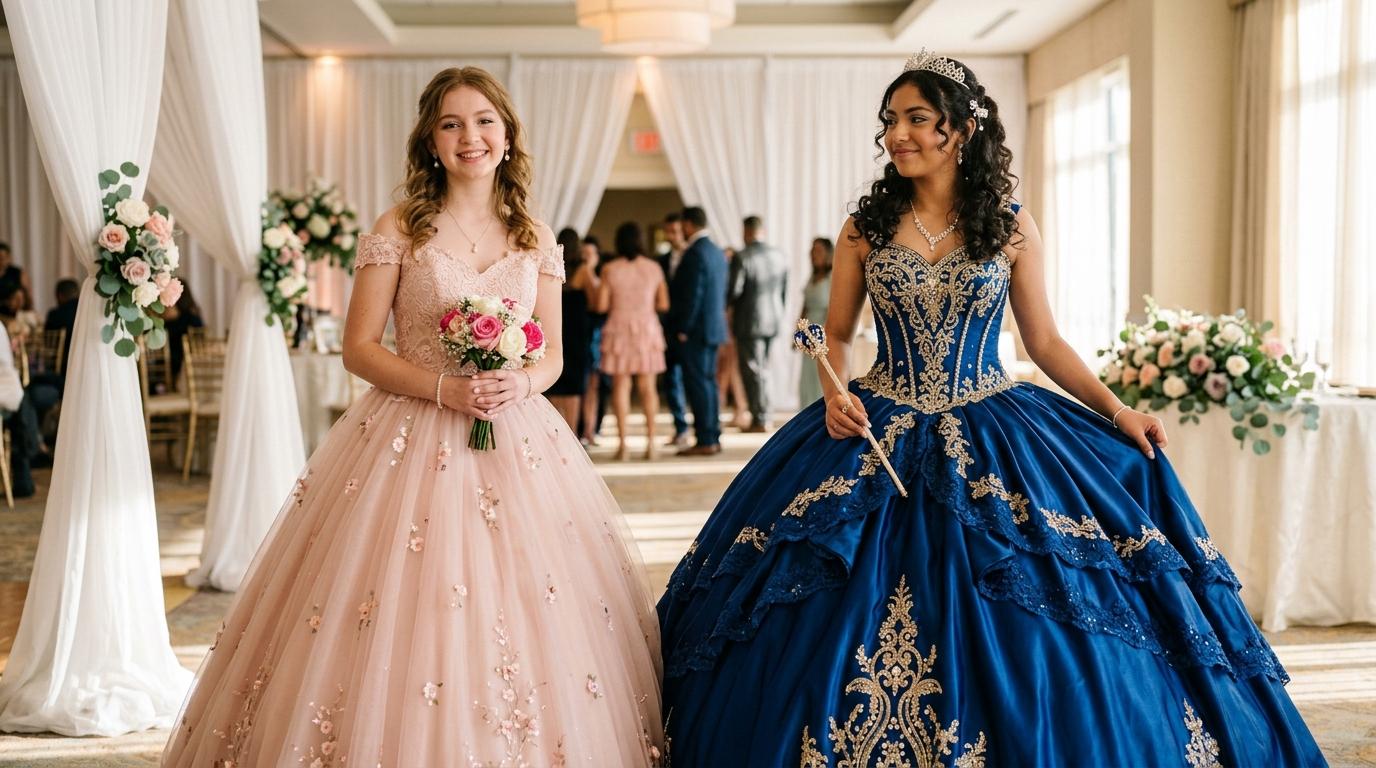
Ball gowns are among the most dramatic types of formal dresses. They typically feature a fitted bodice paired with a very full skirt.
This traditional silhouette creates a statement look and works best for highly formal occasions. Depending on the fabric and embellishments, a ball gown can feel classic, romantic, regal, or modern.
Because of the volume of the skirt, ball gowns require more space than fitted silhouettes. They may also be less practical for crowded venues or events where you expect to move frequently.
For a formal ballroom, gala, or particularly elegant celebration, however, the dramatic effect can be exactly what you want.
5. Sheath Evening Dresses
Sheath dresses have a narrow, streamlined shape that follows the body's natural line without a dramatic flare.
This makes them ideal for someone who prefers understated elegance over a large, voluminous skirt. A floor-length sheath dress in satin, crepe, velvet, or another refined fabric can look exceptionally polished.
Sheath dresses can also be easier to accessorize. Since the silhouette is relatively simple, statement earrings, a clutch, metallic shoes, or an elegant bracelet can add visual interest without competing with the dress.
6. Column Evening Dresses
Column dresses are long, straight silhouettes that fall relatively close to the body from the neckline toward the hem.
They create a lengthened, elegant appearance and are often associated with modern formalwear. Unlike a ball gown, the column silhouette does not rely on a full skirt to make an impact.
A column gown can be particularly effective when paired with an interesting neckline, open back, draping, ruching, sequins, or other carefully placed details.
For someone who wants a sophisticated evening look without excessive volume, this is one of the strongest options.
7. Empire Waist Evening Dresses
An empire waist dress has a waistline positioned higher than the body's natural waist, usually just below the bust. The skirt then flows downward from that point.
This construction creates a soft, elongated appearance and provides additional room around the midsection.
Empire waist evening dresses can have a romantic and graceful feel, especially when made from lightweight chiffon or flowing fabrics. They can work beautifully for weddings, formal dinners, and evening celebrations where comfort and movement are priorities.
8. One-Shoulder Evening Dresses
One-shoulder dresses feature an asymmetrical neckline that leaves one shoulder exposed while the other side provides support.
This design adds visual interest without requiring heavy embellishment. The asymmetrical neckline can also make a simple gown look more contemporary.
One-shoulder evening gowns work particularly well when you want the neckline to be the main focal point. Keep accessories balanced rather than adding too many competing statement pieces.
9. Off-the-Shoulder Evening Dresses
Off-the-shoulder dresses sit below the shoulders and expose the collarbone and upper shoulders.
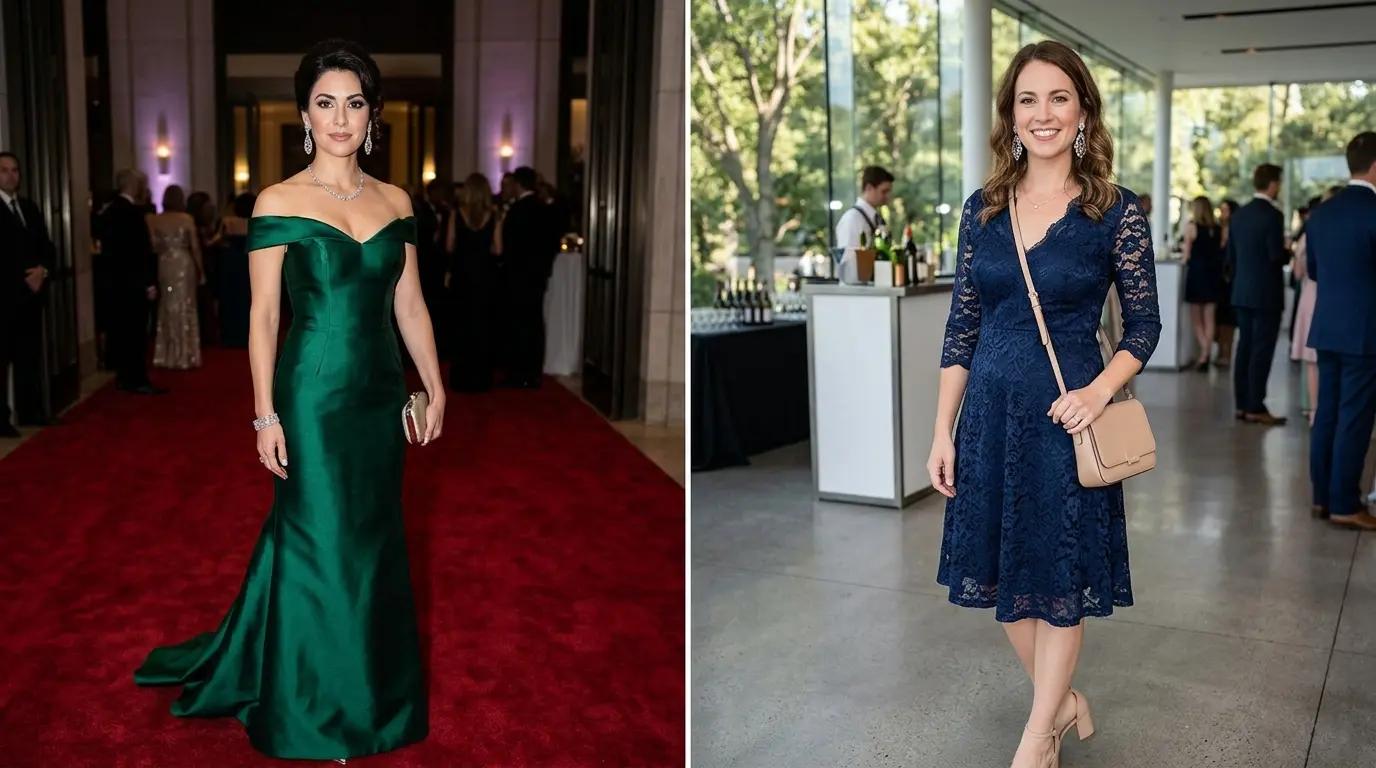
This neckline can create a romantic and feminine appearance while still looking formal. It works across several silhouettes, including A-line, mermaid, and ball gown designs.
Because the neckline already attracts attention, simple earrings or a delicate necklace may be enough to complete the outfit.
For a more formal event, look for high-quality construction around the neckline so the dress stays comfortably in place as you move.
10. Wrap Evening Dresses
Wrap dresses feature overlapping fabric across the front, usually creating a V-shaped neckline and an adjustable waist.
Although wrap designs are often associated with daytime and cocktail clothing, a sophisticated wrap evening dress in satin, velvet, or another dressy fabric can be appropriate for many evening occasions.
The adjustable waist is one of its biggest advantages. It allows you to customize the fit and creates a defined waistline without requiring a highly structured bodice.
How to Choose Evening Dresses by Dress Code
The dress code should be one of the first things you consider. A beautiful dress can still feel inappropriate if it does not match the formality of the event.
Black Tie
Black tie is one of the most formal common dress codes. A floor-length gown is a classic choice, although the exact expectations can vary by event.
For a traditional black-tie setting, consider floor-length gowns, elegant satin or chiffon, sophisticated velvet, rich jewel tones, and black or other refined dark colors.
Black-Tie Optional
Black-tie optional provides more flexibility. A long formal gown is still an excellent choice, but a sophisticated cocktail or midi dress may also work depending on the event.
When the invitation says black-tie optional, consider the venue, time of day, and overall style of the event before deciding how formal to go.
Formal
A formal dress code gives you room to choose between several sophisticated silhouettes. Long evening gowns, elegant midi dresses, and polished cocktail styles may all work depending on the event.
When in doubt, it is generally safer to be slightly more formal than noticeably underdressed.
Cocktail
Cocktail attire is less formal than black tie. Knee-length, midi, and sophisticated shorter dresses are common choices.
You can experiment more with color, neckline, texture, and accessories while still keeping the overall appearance polished.
How to Choose an Evening Dress for Your Body Shape
There are no strict rules about which dress you "should" wear based on your body shape. Personal preference and comfort should always come first. However, understanding how different silhouettes work can make shopping easier.
For a Pear-Shaped Figure
A-line and empire waist styles can create a balanced appearance by adding structure or visual interest around the upper body while allowing more room through the hips.
For an Hourglass Figure
Mermaid, trumpet, sheath, and fitted styles can highlight the natural waist and curves. Wrap designs can also create a defined waistline.
For an Apple-Shaped Figure
Empire waist, A-line, and flowing silhouettes can provide comfortable movement without creating excessive pressure around the midsection.
For a Straight or Athletic Figure
Structured bodices, ruching, belts, embellishments, and fitted silhouettes can add definition. Mermaid and trumpet dresses can also create a more sculpted shape.
The goal is not to hide your body. The goal is to choose a silhouette that makes you feel confident and comfortable.
Popular Fabrics for Evening Dresses
Fabric has a major effect on how an evening gown looks and moves.
Satin
Satin has a smooth surface and subtle sheen that gives dresses a luxurious appearance. It works particularly well for sleek silhouettes and minimalist gowns.
Chiffon
Chiffon is lightweight and flowing. It is commonly used for soft skirts, overlays, sleeves, and layered designs.
Velvet
Velvet has a rich texture that makes it especially suitable for fall and winter events. Its depth and soft surface create a luxurious appearance.
Lace
Lace adds texture and detail without necessarily requiring heavy embellishment. It is frequently used for sleeves, bodices, overlays, and panels.
Tulle
Tulle is lightweight and airy but can also create substantial volume when layered. It is commonly used in ball gowns and romantic formal styles.
Sequins and Beaded Fabrics
Sequins and beads add sparkle and are particularly effective for evening celebrations, parties, galas, and festive events. Because embellished fabrics already make a strong statement, accessories can usually remain simple.
How to Choose the Right Evening Dress Color
Color should complement both the event and your personal style.
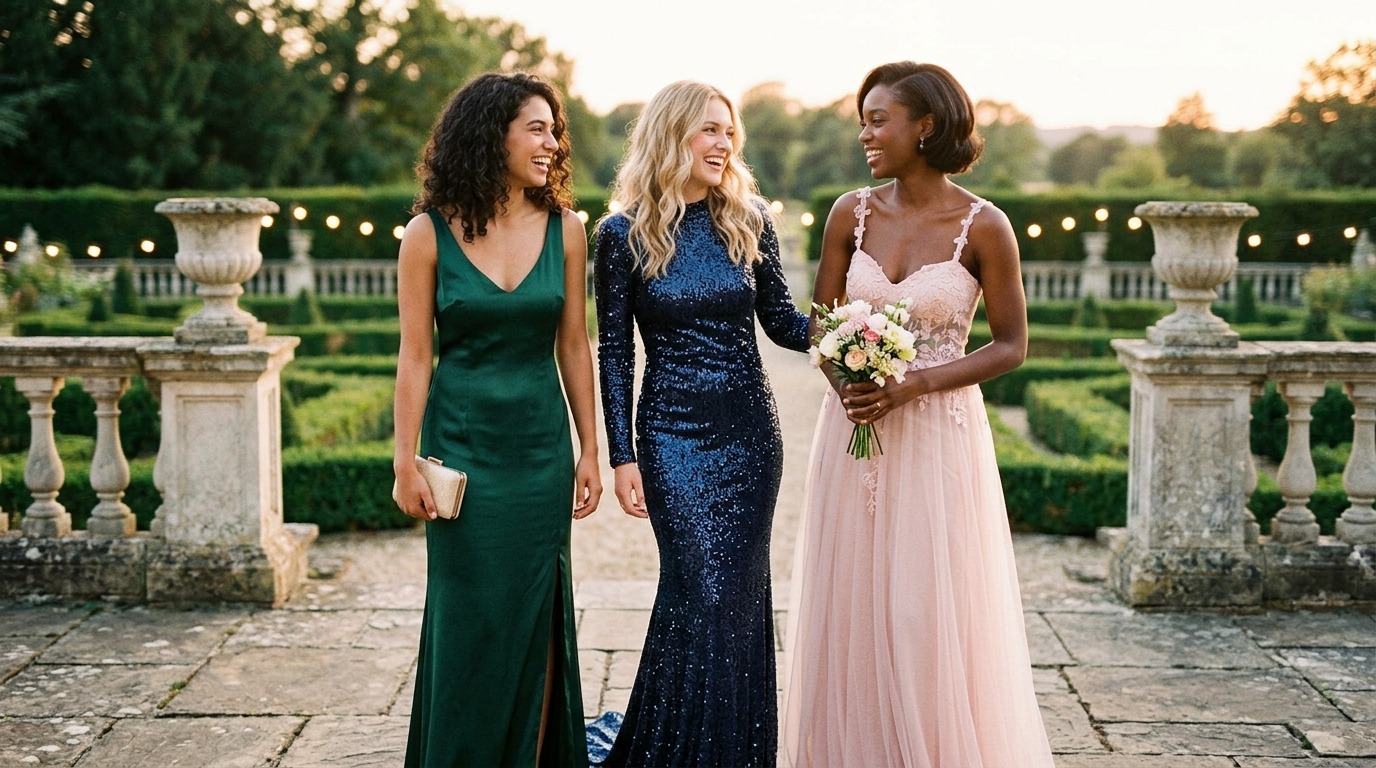
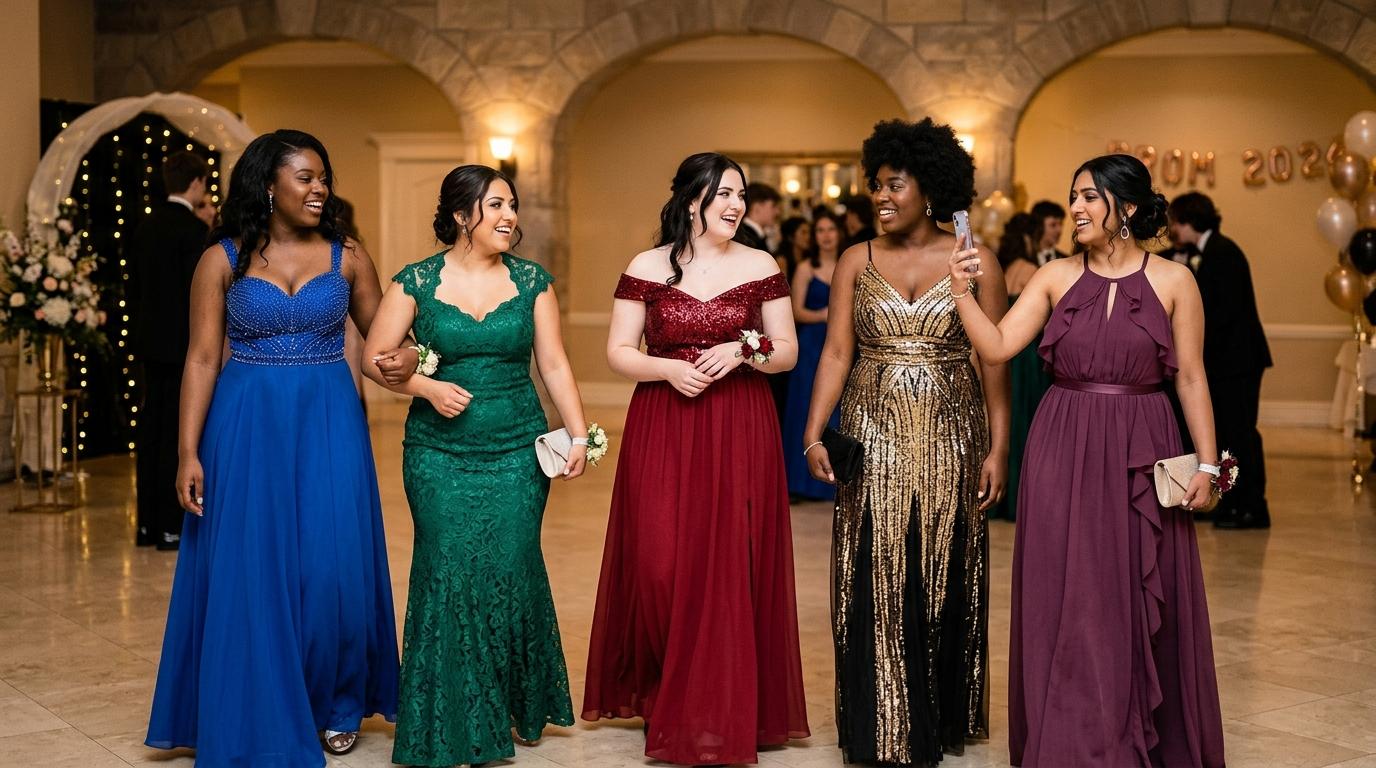
Classic colors such as black, navy, burgundy, emerald, and deep plum can create an elegant formal appearance. Softer shades such as dusty rose, champagne, sage, and light blue can create a romantic look.
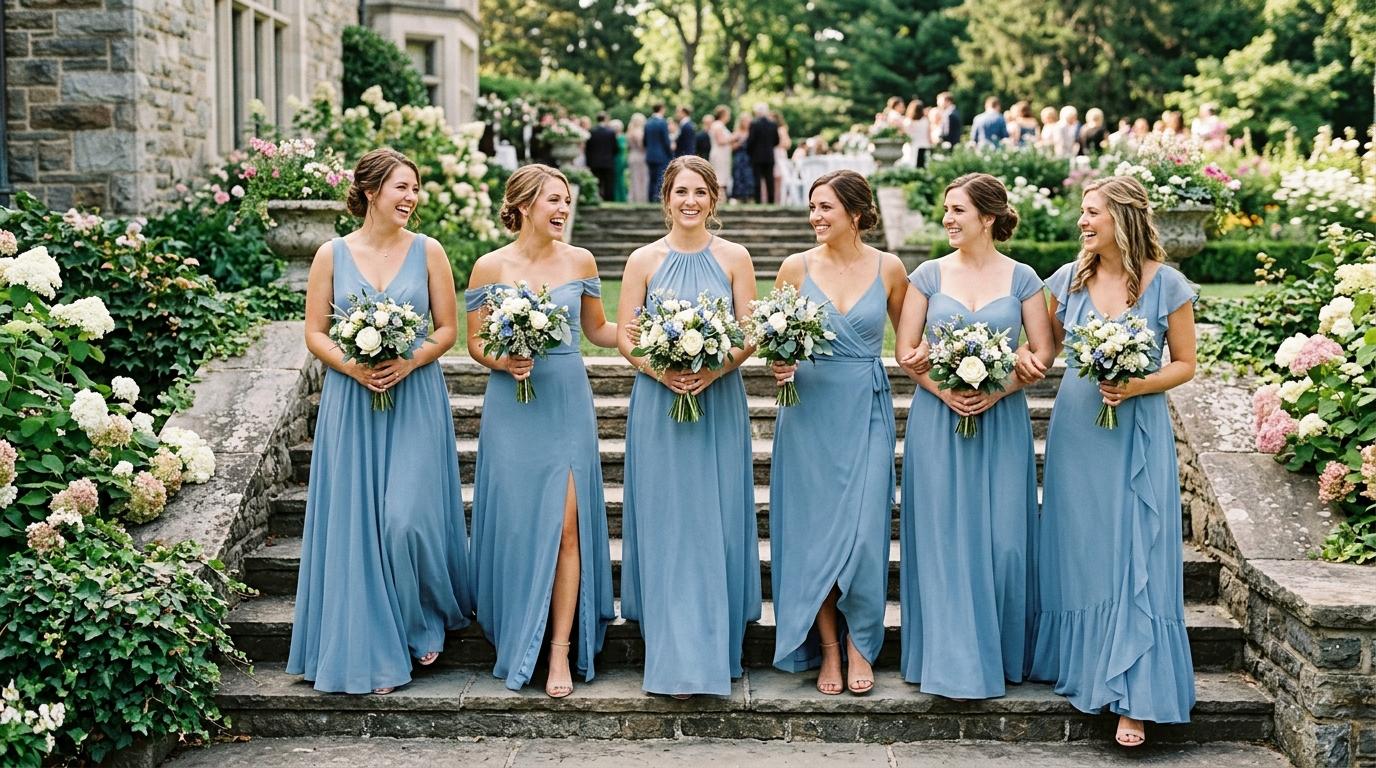
For weddings, always consider the invitation and venue before choosing a color. You should also avoid colors or styling that could make your outfit look too similar to the bridal party when that is not your intention.
How to Pick the Right Evening Dress for the Occasion
Instead of starting with the dress itself, start by answering four questions: What is the dress code? Where is the event? What season is it? How long will you be wearing it?
These questions help you choose between a lightweight cocktail dress, a flowing formal gown, or a structured floor-length silhouette.
A dress that looks beautiful but requires constant adjustment is rarely the best choice.
How to Style an Evening Dress
Accessories should complement the dress rather than compete with it.
A heavily embellished gown may need little more than simple earrings and a clutch. A minimalist column or sheath dress, on the other hand, can provide a great foundation for statement jewelry.
Shoes should match the formality of the dress while remaining comfortable enough for the event. Heels are a traditional choice, but elegant flats or low heels can also work depending on the dress and occasion.
A small evening bag or clutch is usually more appropriate than a large everyday handbag.
Hair and makeup should also work with the neckline. For example, an updo can highlight an off-the-shoulder or one-shoulder design, while loose hair can soften a structured gown.
Common Mistakes to Avoid When Choosing an Evening Dress
Even a stylish dress can become uncomfortable or inappropriate when the wrong details are overlooked.
One common mistake is ignoring the dress code. Always read the invitation carefully before choosing a silhouette.
Another is choosing a dress based entirely on appearance without considering fit. Proper sizing and comfortable construction are essential, especially for events that last several hours.
It is also easy to over-accessorize. If the gown has sequins, crystals, dramatic sleeves, or a detailed neckline, additional statement jewelry may make the outfit look crowded.
Finally, do not overlook movement. Walk around in the dress before the event. Sit down, raise your arms, and take a few steps. A formal dress should allow you to enjoy the occasion rather than constantly thinking about your outfit.
Choosing the Right Evening Dress
The different types of evening dresses offer something for almost every formal occasion and personal style. A-line gowns provide versatility, mermaid and trumpet silhouettes create a dramatic effect, ball gowns make a statement, while sheath and column dresses deliver modern elegance. Neckline-focused designs such as off-the-shoulder and one-shoulder gowns can add personality without relying on heavy embellishment.
The key is to consider the dress code, venue, season, fit, fabric, and comfort before making your decision. Rather than chasing every trend, choose a silhouette that works for the occasion and allows you to feel confident throughout the event.
With a wide selection of formal silhouettes and colors, Mayqueen USA can be a useful place to explore different styles and compare options before choosing your next evening look.