Formal vs Semi-Formal Dresses: What’s the Difference?
Formal vs Semi-Formal Dresses: What’s the Difference?
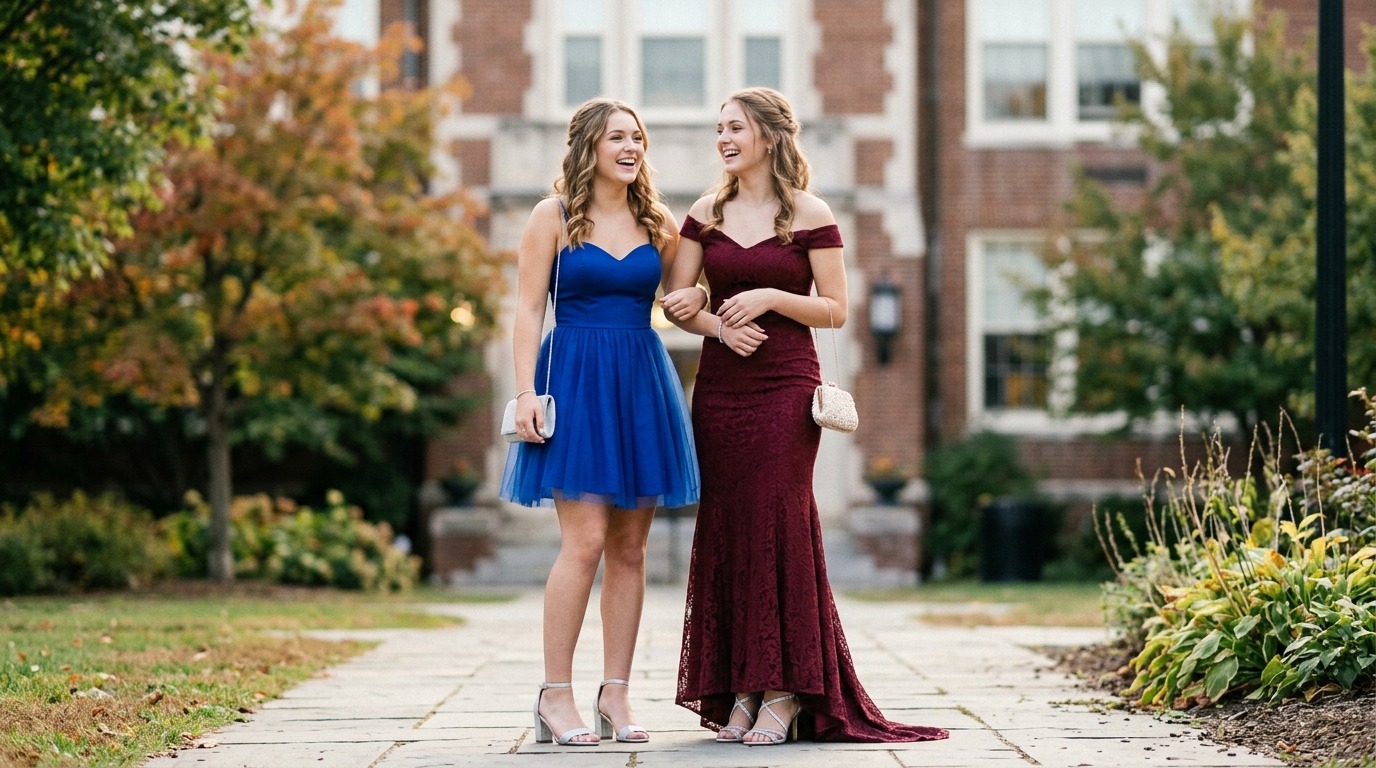
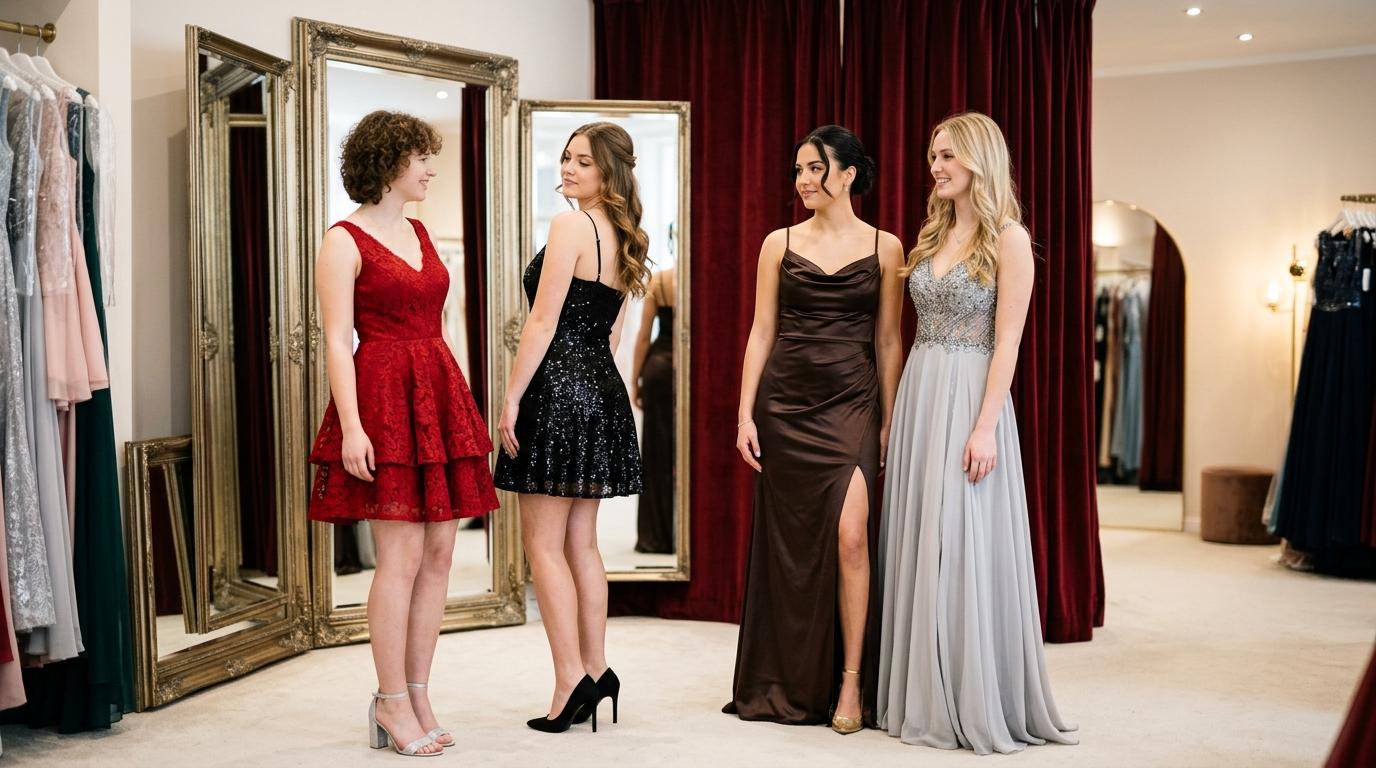
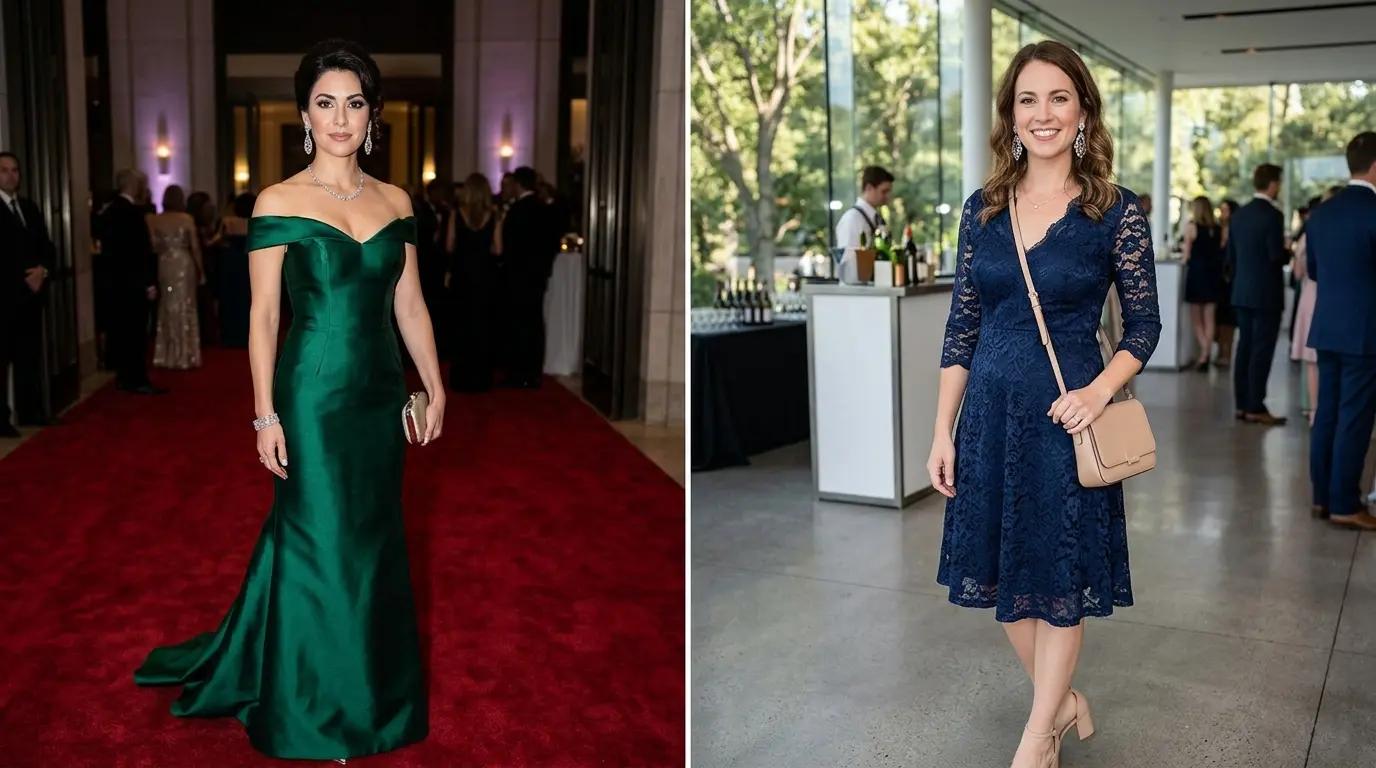
Choosing the right dress for a special event can be confusing, especially when the invitation says “formal” or “semi-formal.” So, what is the difference between formal and semi-formal dresses? The main difference is the level of elegance and formality. Formal dresses are generally more polished and sophisticated, often featuring longer lengths, refined fabrics, and elevated details. Semi-formal dresses are dressy but more relaxed, with cocktail dresses, shorter hemlines, and elegant midi styles being common choices.
Understanding the dress code helps you choose an outfit that fits the occasion without looking overdressed or too casual. Factors such as the event time, venue, invitation wording, season, and overall setting can all influence what you should wear.
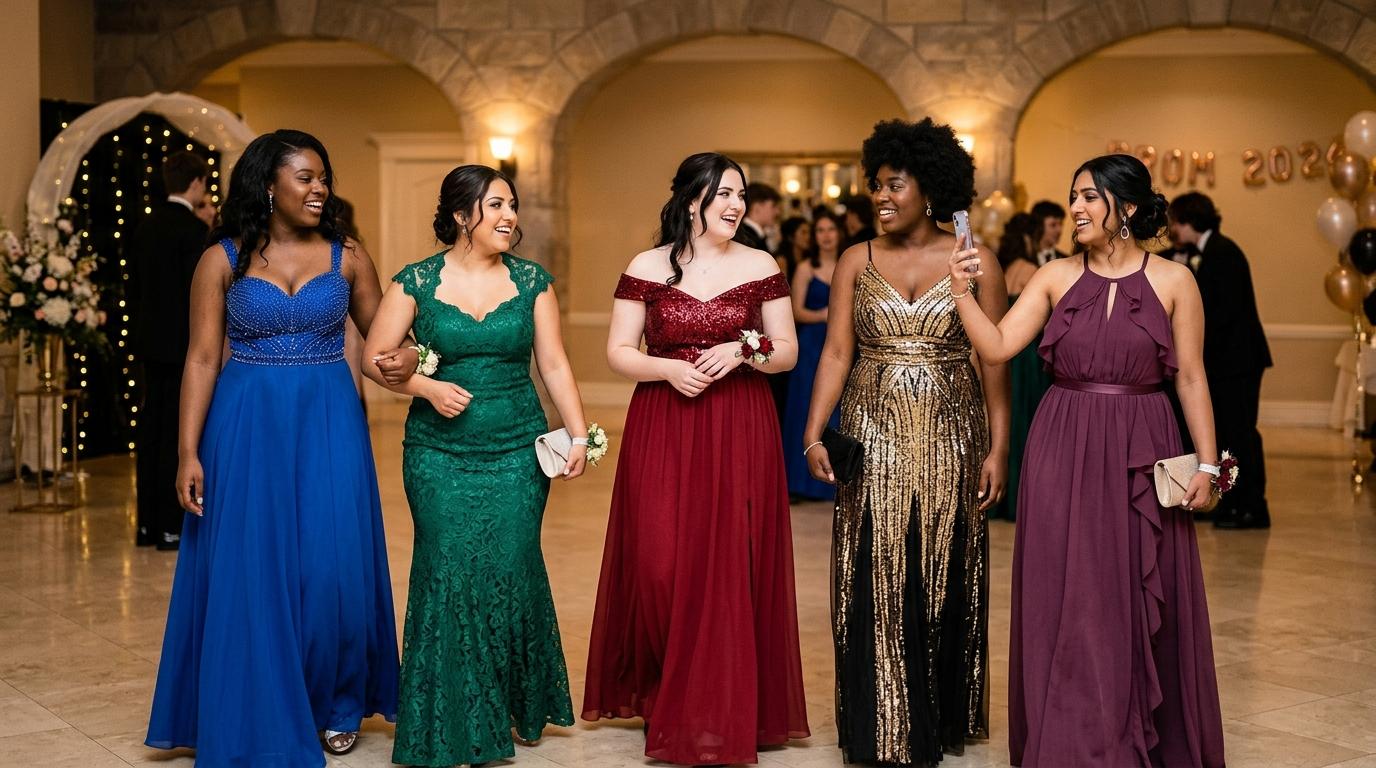
Whether you are shopping for a wedding guest dress, evening gown, prom look, cocktail dress, or special occasion outfit, knowing these differences makes the process much easier.
What Are Formal Dresses?
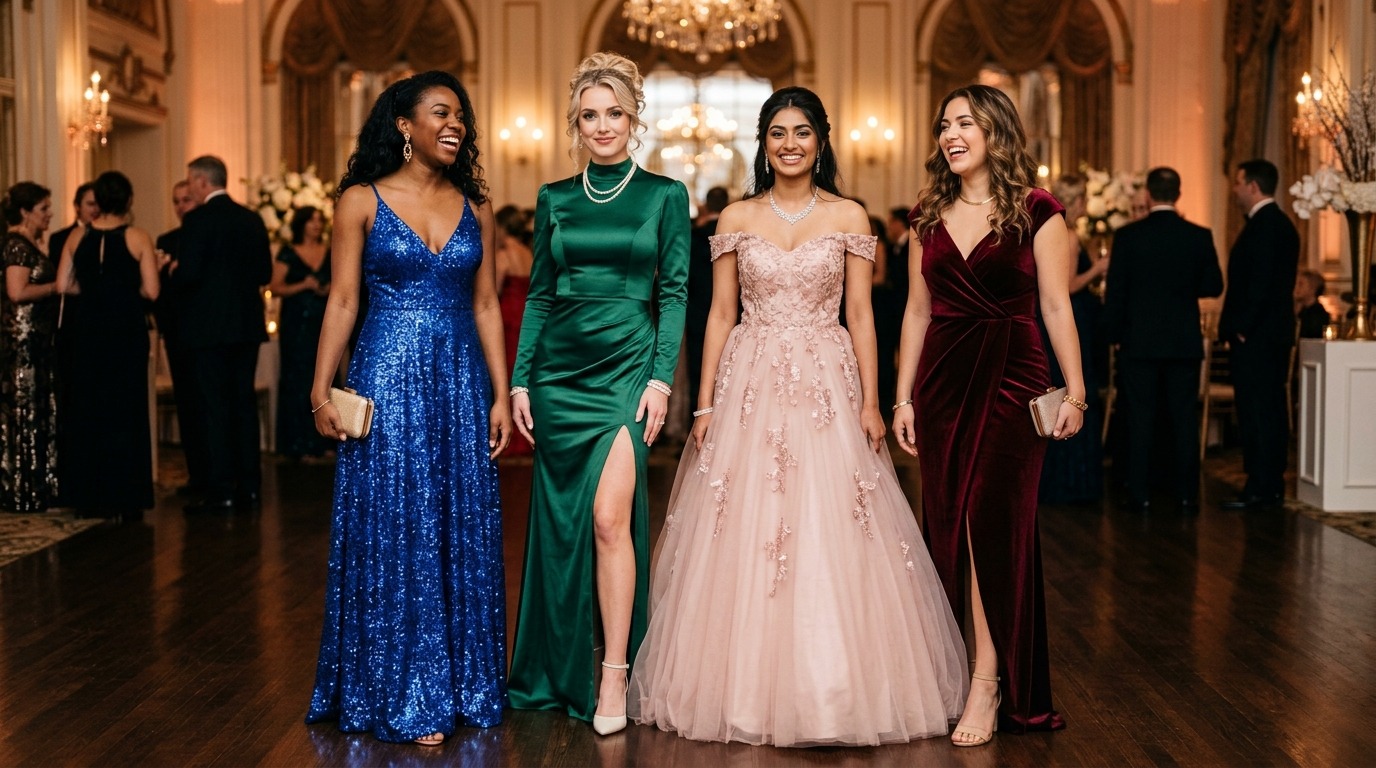
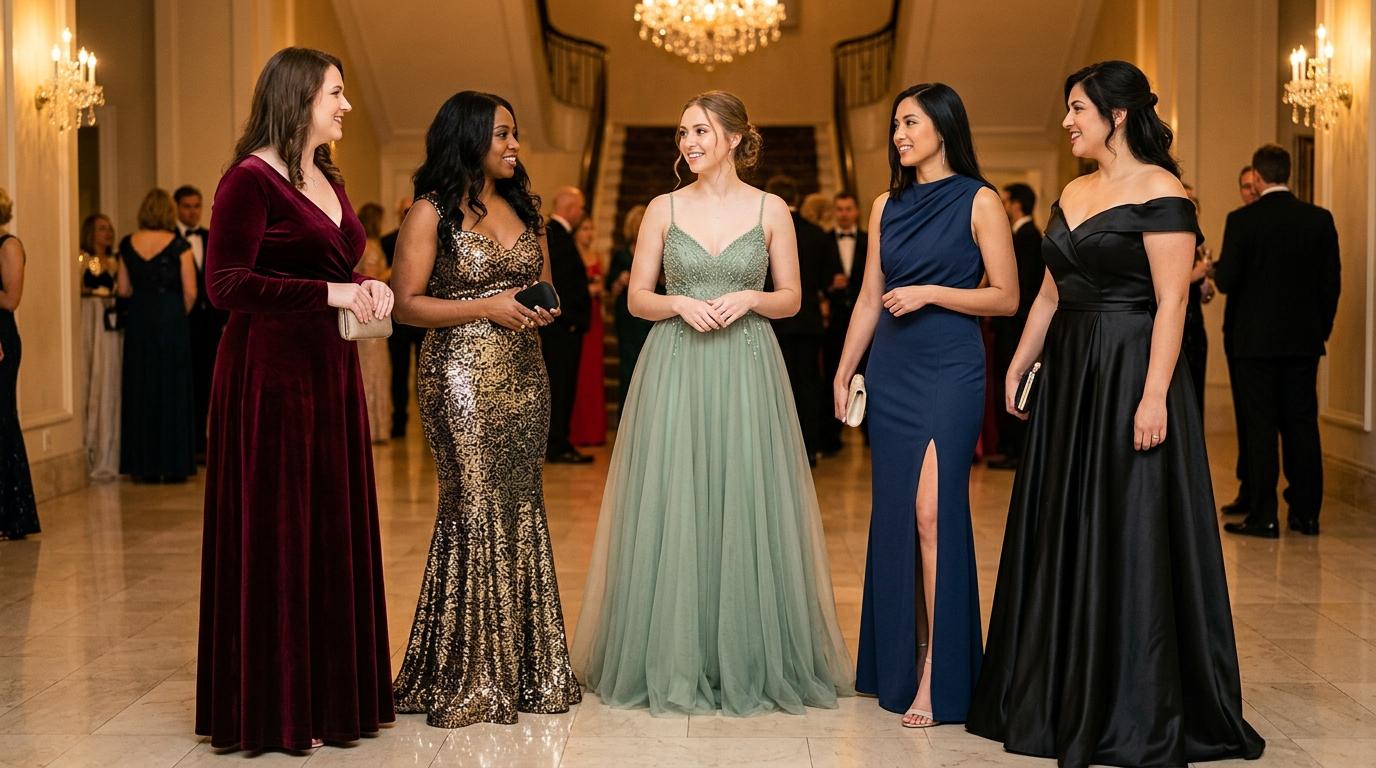
Formal dresses are designed for occasions that require a polished, sophisticated appearance. They typically use elegant fabrics, refined silhouettes, and elevated details that create a more luxurious overall look.
A formal dress can be long or, depending on the specific dress code and event, a particularly elegant shorter style. For evening formal occasions, floor-length gowns are a traditional choice. Black-tie events represent an even more specific level of formality, where a floor-length evening gown or an especially dressy cocktail dress can be appropriate for women.
Common characteristics of formal attire include:
- Floor-length or elegant midi silhouettes
- Satin, chiffon, velvet, lace, or other dressy fabrics
- Intricate beading, sequins, embroidery, or tasteful embellishments
- Structured or sophisticated silhouettes
- Elegant necklines and sleeve designs
- Dressy heels and refined accessories
Formal clothing is usually intended to create a complete, coordinated look rather than simply being a dress that looks nice.
When Should You Wear a Formal Dress?
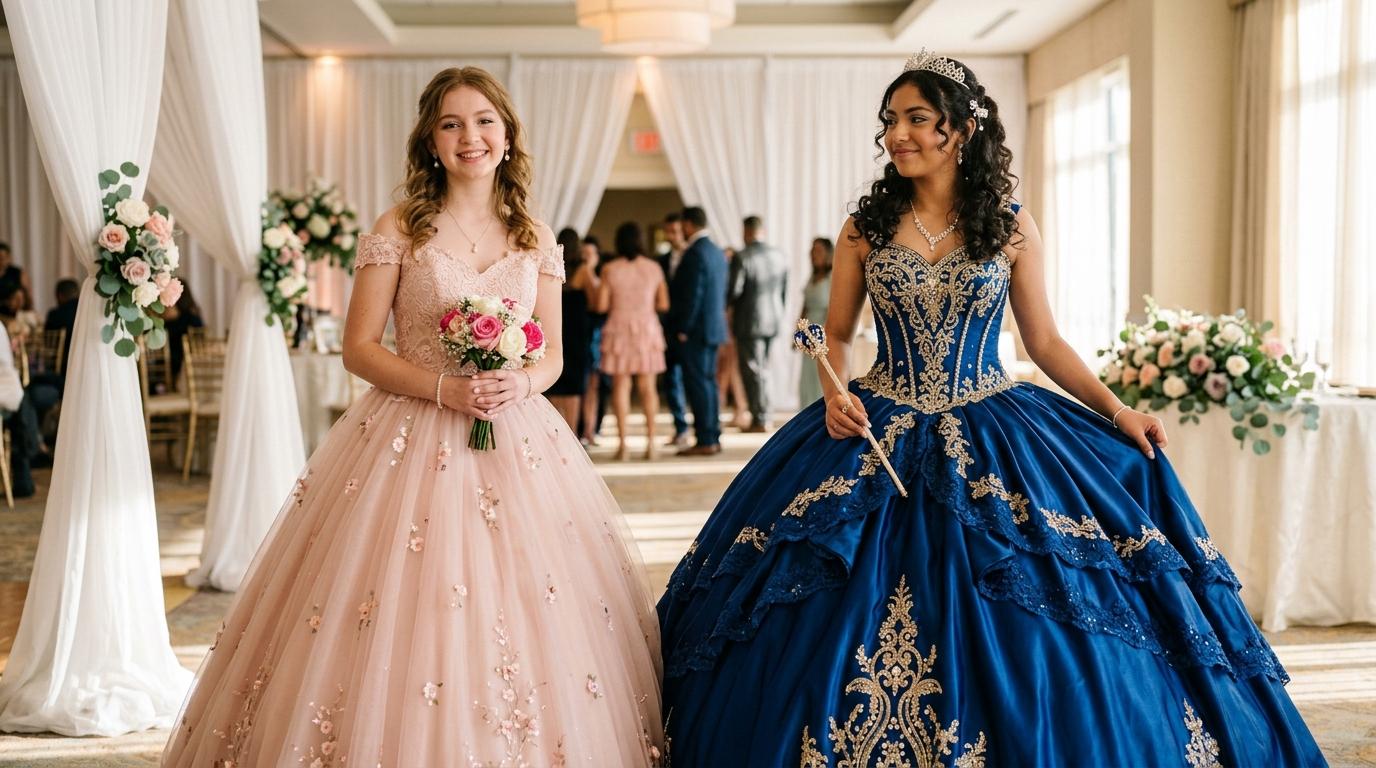
Formal dresses are appropriate for events where the invitation or venue calls for elevated attire. Examples include formal weddings, galas, upscale evening celebrations, formal dinners, charity events, and certain milestone celebrations.
However, “formal” does not always mean that you must wear a floor-length gown. The invitation should be your first source of guidance. For weddings, for example, Emily Post recommends considering the wording of the invitation, time of day, location, and local customs when deciding how formal your outfit should be.
What Are Semi-Formal Dresses?
Semi-formal dresses sit between casual and formal attire. They are polished and elegant but usually offer more flexibility than a formal gown.
According to Emily Post, semi-formal attire is more polished than typical office clothing but less formal than attire for a formal event. For women, appropriate choices can include cocktail dresses, short afternoon dresses, a little black dress, dressy separates, or an elegant long dressy skirt and top.
Semi-formal dresses often include:
- Cocktail dresses
- Midi dresses
- Elegant knee-length dresses
- Dressy little black dresses
- Refined jumpsuits
- Sophisticated separates
- Simple maxi or long dresses, depending on the event
The goal is to look dressed up without reaching the level of a formal evening gown.
When Should You Wear a Semi-Formal Dress?
Semi-formal dresses work well for cocktail parties, many weddings, evening celebrations, graduation events, dinner parties, receptions, and other occasions where a polished but not highly formal appearance is expected.
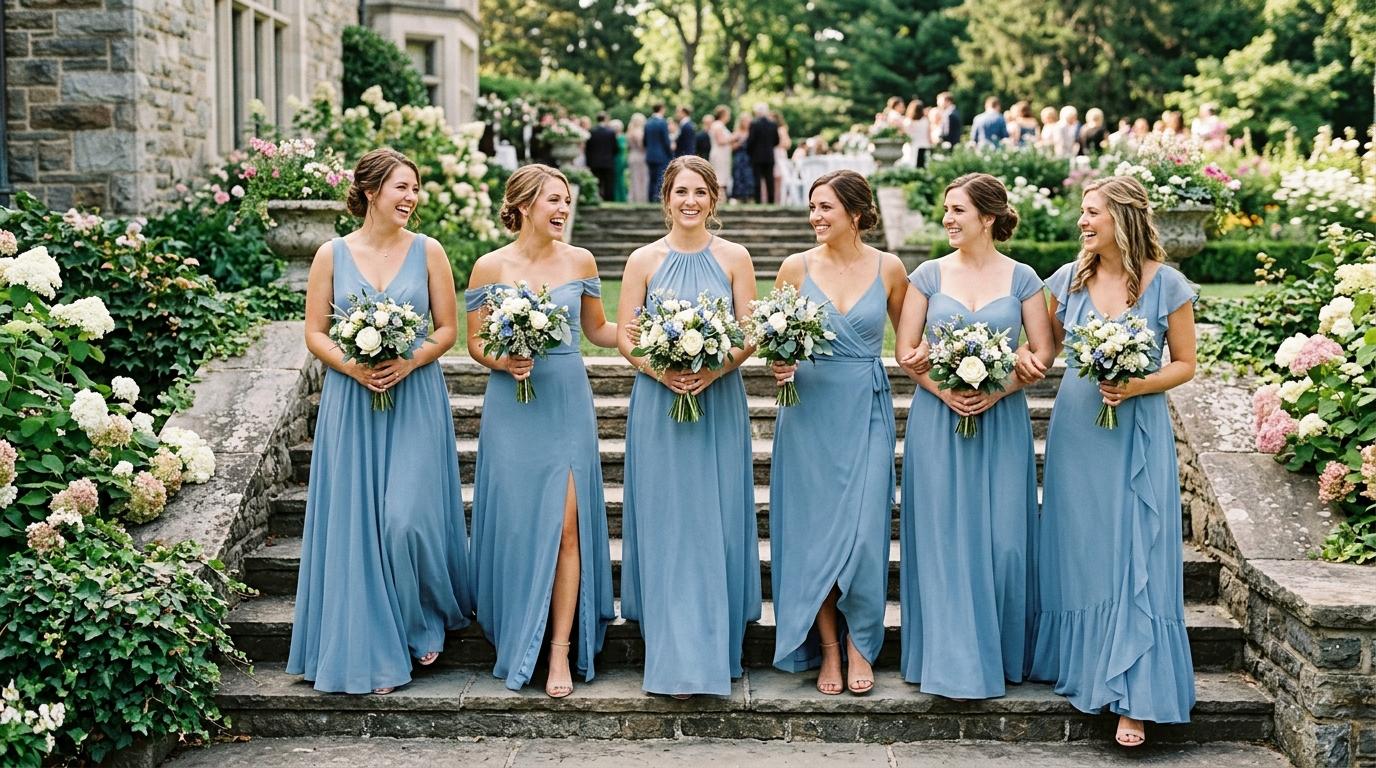
For weddings, the time of day can make a difference. Emily Post lists dressy afternoon dresses, suits, or pantsuits as options for semiformal daytime weddings, while cocktail dresses and dressy pantsuits can work for evening semiformal weddings.
Formal vs Semi-Formal Dresses: Key Differences
The easiest way to understand formal and semi-formal attire is to compare their overall level of dressiness.
| Feature | Formal Dresses | Semi-Formal Dresses |
|---|---|---|
| Overall look | Sophisticated and elevated | Polished and relaxed |
| Typical length | Floor-length or elegant long styles | Cocktail, knee-length, or midi |
| Fabrics | Satin, velvet, chiffon, lace, embellished fabrics | Chiffon, crepe, satin, lace, and other refined fabrics |
| Embellishment | More detailed and dramatic | Usually simpler and more understated |
| Accessories | Statement jewelry and elegant evening accessories | Refined jewelry and simpler accessories |
| Shoes | Dressy heels or formal footwear | Heels, dressy flats, or elegant sandals |
| Typical events | Galas, formal weddings, black-tie events | Cocktail parties, receptions, semiformal weddings |
| Overall feel | Luxurious and sophisticated | Elegant but approachable |
The biggest distinction is not one single feature such as dress length. The entire outfit should match the requested level of formality.
For example, a simple floor-length dress made from casual fabric may not look as formal as a beautifully tailored midi dress made from an elegant fabric. Likewise, a heavily embellished cocktail dress may be too dressy for a relaxed semiformal daytime event.
Is a Long Dress Always Formal?
No. Dress length alone does not determine whether an outfit is formal.
A long dress can work for semi-formal occasions when the fabric, design, color, and styling are relatively understated. On the other hand, a short dress with luxurious fabric, intricate embellishment, and sophisticated styling can be appropriate for some formal events.
This is why it is better to evaluate the entire outfit rather than relying only on the hemline.
For a black-tie event, however, the expectation is higher. Emily Post describes a floor-length evening gown as a traditional choice for women, while also noting that a dressy cocktail dress can be suitable in some black-tie settings.
How to Choose Between Formal and Semi-Formal Dresses
If the invitation does not immediately make the dress code clear, consider several factors before choosing your outfit.
1. Read the Invitation Carefully
Words such as “black tie,” “formal,” “black tie optional,” and “semi-formal” provide important clues.
Black tie is more specific and more formal than general formal attire. Black-tie optional gives guests some flexibility, while semi-formal allows for a more relaxed approach.
When the invitation gives a specific dress code, follow it rather than assuming that “dressy” means the same thing for every event.
2. Consider the Time of Day
The same event type can call for different styling depending on when it takes place.
A daytime wedding may suit a lighter, less elaborate dress, while an evening celebration can support deeper colors, richer fabrics, and more sophisticated details.
For semiformal events, Emily Post specifically distinguishes between daytime and evening attire, with evening occasions generally allowing a dressier approach.
3. Think About the Venue
The venue can provide another clue.
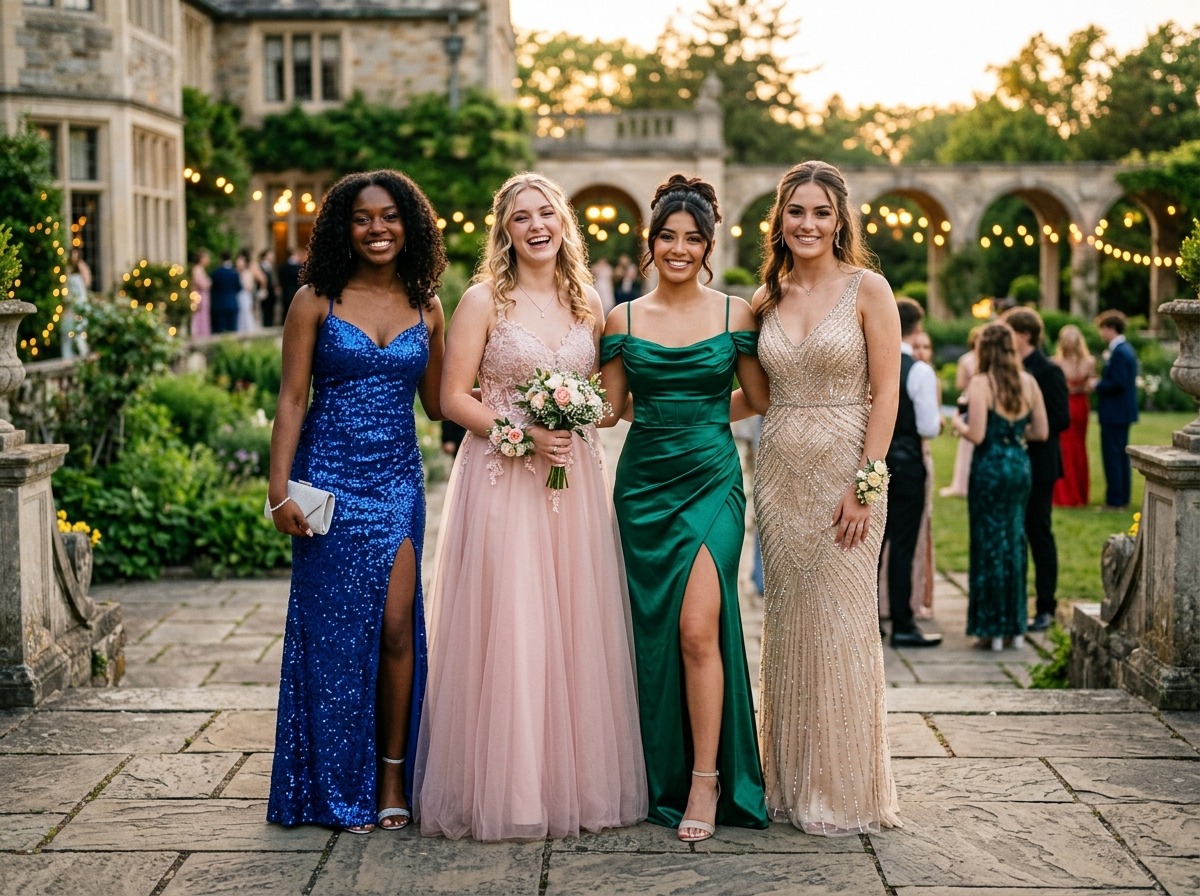
A ballroom, upscale hotel, elegant restaurant, or formal event space may call for a more polished outfit. An outdoor garden reception or daytime celebration may allow for something lighter and less elaborate.
The key is to balance the written dress code with the setting.
4. Consider the Season
Your fabric and color choices should also make sense for the season.
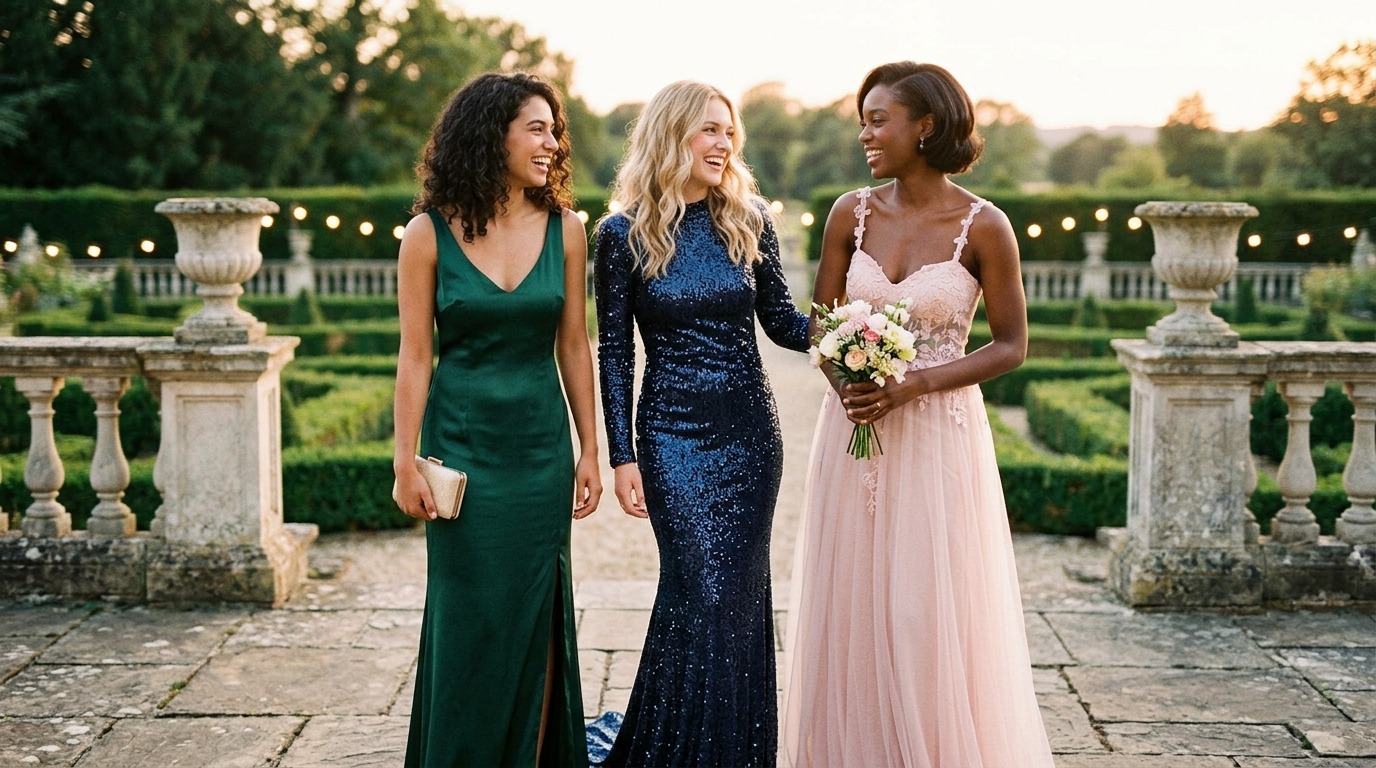
Lightweight chiffon, soft colors, and breathable materials can work beautifully for spring and summer celebrations. Velvet, richer jewel tones, and heavier fabrics can create a sophisticated look for fall and winter events.
Seasonal dressing does not change the dress code, but it can influence how you interpret it.
Formal Dress Styles to Consider
There are many ways to create a formal look without choosing the same type of gown for every event.
Floor-Length Evening Gowns
A floor-length gown is one of the most recognizable formal options. It works particularly well for elegant evening events and black-tie occasions.
Look for flattering silhouettes such as A-line, mermaid, fit-and-flare, or column styles. The best choice depends on your preferred fit and the overall mood of the event.
Embellished Formal Dresses
Beading, sequins, embroidery, and crystal details can add visual interest to a formal outfit.
The important point is balance. A heavily embellished dress can already make a strong statement, so simpler accessories may create a more polished result.
Satin and Velvet Dresses
Fabric can dramatically affect how formal a dress appears. Satin can create a smooth, sophisticated finish, while velvet often works well for cooler-weather evening events.
These fabrics can also make relatively simple silhouettes feel more elevated.
Elegant Long-Sleeve Dresses
Long sleeves can create a sophisticated look while providing additional coverage. They are especially useful for formal fall and winter occasions.
Lace sleeves, sheer sleeves, or fitted sleeves can each create a different effect while keeping the overall appearance refined.
Semi-Formal Dress Styles to Consider
Semi-formal clothing gives you more freedom to experiment with length, color, and silhouette.
Cocktail Dresses
Cocktail dresses are one of the most recognizable choices for semi-formal events. They are polished without feeling as elaborate as a traditional evening gown.
Choose a silhouette that allows you to move comfortably while still looking refined.
Midi Dresses
Midi dresses are especially versatile because they can be styled for weddings, dinners, receptions, and other dressy occasions.
A satin midi dress with heels and understated jewelry, for example, can create a sophisticated semi-formal outfit without looking overly formal.
Little Black Dresses
A little black dress can be an excellent choice when the event calls for semiformal attire.
The right accessories can change its appearance significantly. Elegant heels and jewelry can make a simple black dress look event-ready, while more relaxed accessories can create a less formal appearance.
Dressy Jumpsuits
A sophisticated jumpsuit can also work for some semi-formal occasions. Choose a tailored silhouette and refined fabric rather than a casual everyday design.
This can be a useful option if you want something different from a traditional dress.
How Accessories Change the Level of Formality
Accessories can make a significant difference in how an outfit looks.
A simple dress can appear more formal with elegant heels, refined jewelry, a structured clutch, and polished hair. Similarly, an elaborate dress can feel more balanced when paired with understated accessories.
For formal occasions, consider:
- Statement or fine jewelry
- Elegant heels
- A sophisticated clutch
- A refined shawl or wrap when appropriate
- Polished hair and makeup
For semi-formal occasions, you can keep the same general approach but make the accessories slightly more understated.
The goal is coordination. Your shoes, handbag, jewelry, and outerwear should complement the dress rather than compete with it.
Formal vs Semi-Formal Wedding Guest Dresses
Weddings are one of the most common situations where people struggle to understand dress codes.
For a formal wedding, an elegant long dress or sophisticated cocktail dress may be appropriate, depending on the invitation and whether the event is during the day or evening. For a semiformal wedding, cocktail dresses, dressy midi dresses, and other polished styles are generally more suitable.
There are also other factors to consider. The wedding location, religious or cultural setting, weather, and preferences of the couple can affect what is appropriate. Emily Post recommends using the invitation and time of the wedding as your first clues while also considering the nature of the ceremony and local customs.
Most importantly, remember that the dress code is about respecting the occasion. Avoid choosing something dramatically more casual or significantly more attention-grabbing than the event calls for.
Can You Wear a Semi-Formal Dress to a Formal Event?
Sometimes, but it depends on the event.
A very polished cocktail dress may be acceptable for certain formal occasions. However, if the invitation specifically says “black tie,” you should choose an outfit that clearly meets that higher standard.
When you are unsure, it is generally safer to dress slightly more elegantly rather than arriving noticeably underdressed. You can always keep accessories simple if you are concerned about looking too formal.
Can You Wear a Formal Dress to a Semi-Formal Event?
Yes, but it may be more formal than necessary.
For example, wearing an elaborate floor-length gown with extensive embellishment to a casual daytime semiformal event could make you stand out for the wrong reason.
If you want to wear a longer dress to a semi-formal event, choose a simpler silhouette, less dramatic embellishment, and accessories that keep the outfit balanced.
Common Mistakes to Avoid
Choosing the right dress is not only about finding something beautiful. It is also about matching the occasion.
Ignoring the Dress Code
The biggest mistake is treating “formal,” “semi-formal,” and “black tie” as interchangeable terms. They represent different levels of dress.
Focusing Only on Dress Length
A long dress is not automatically formal, and a short dress is not automatically semi-formal. Fabric, construction, embellishment, styling, and the event itself all matter.
Wearing Casual Fabrics to a Dressy Event
Even a beautiful silhouette can look too casual if the material is better suited to everyday wear.
Over-Accessorizing
Accessories should enhance your outfit. Too many statement pieces can make an otherwise sophisticated dress look busy.
Forgetting Comfort
A dress should look good and allow you to enjoy the event. Pay attention to fit, movement, fabric, shoes, and the expected weather.
A well-fitting, comfortable dress will usually look more polished than an uncomfortable outfit that does not allow you to move naturally.
Where to Find Dresses for Different Occasions
When shopping for an occasion dress, it helps to choose a retailer with a broad range of silhouettes, lengths, colors, and dress styles. Mayqueen USA offers collections organized around occasions and styles, including formal, cocktail, evening gowns, maxi, A-line, mermaid, sequined, modest, and other special-occasion designs.
This type of selection makes it easier to compare different levels of dressiness and find a style that matches your event.
Which Dress Should You Choose?
The easiest way to remember the difference is this: formal dresses are more elevated, sophisticated, and event-focused, while semi-formal dresses are elegant but offer greater flexibility.
Choose a formal look when the invitation calls for formal or black-tie attire, particularly for upscale evening events. Consider an elegant gown, sophisticated cocktail dress, refined fabric, and polished accessories.
Choose semi-formal attire when the event calls for a polished but less formal appearance. Cocktail dresses, midi dresses, elegant shorter styles, and sophisticated jumpsuits can all be good options.
When in doubt, start with the invitation, then consider the time, venue, season, and type of event. Once you understand those details, choosing between formal and semi-formal dresses becomes much easier and you can focus on finding a dress that makes you feel confident, comfortable, and appropriately dressed for the occasion.